
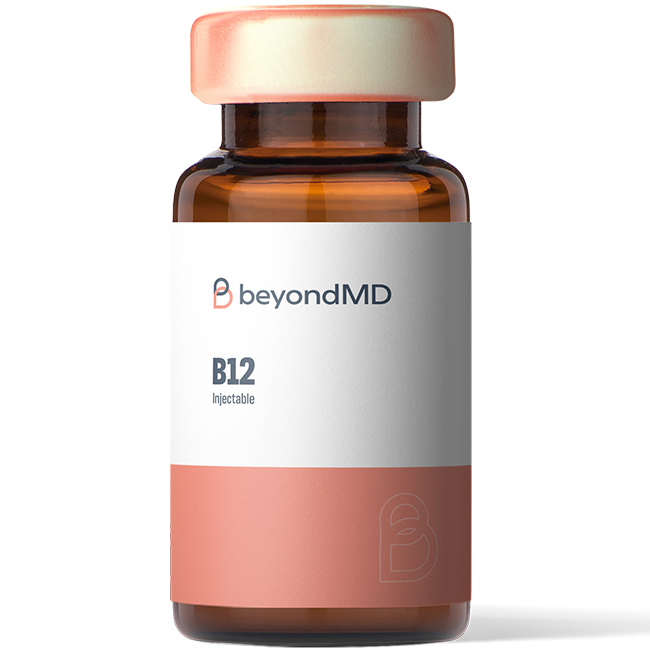
Vitamin B12
Vitamin B12, also known as cobalamin, is a water-soluble vitamin that belongs to the B-complex group of vitamins. It is an essential nutrient, which means that the body requires it for various critical functions but cannot produce it on its own. Therefore, it must be obtained through dietary sources or supplementation.
Vitamin B12, also known as cobalamin, is an essential nutrient that plays a crucial role in various bodily functions. It’s vital for the formation of red blood cells, DNA synthesis, and proper nervous system function. B12 supports energy production, helping to reduce fatigue and weakness. It’s also critical for brain health, potentially aiding in the prevention of cognitive decline. While primarily found in animal products, B12 supplements are available and often recommended for vegetarians, vegans, and older adults who may have difficulty absorbing the vitamin from food sources. Maintaining optimal B12 levels is important for overall health and may contribute to longevity by supporting cardiovascular health and immune function.
Symptoms of a Vitamin B12 deficiency include:
- Persistent fatigue and low energy
- Difficulty concentrating or “brain fog”
- Weakness or lightheadedness
- Numbness or tingling in the hands and feet
- Poor memory or cognitive decline
- Anemia caused by B12 deficiency (megaloblastic anemia)
Dosage is typically 10 mg/mL. You and your provider will determine the best dosage and administration schedule for your body and health needs.
- Immediately after the injection: Many individuals report feeling more energized and alert within hours or days.
- Within a few weeks: Improved focus, reduced fatigue, and enhanced physical performance.
- Ongoing therapy: Sustained energy levels, better mood, and improved overall wellness with regular use.
Common side effects include: Mild pain or redness at the injection site, Temporary headache or dizziness, and Flushing or warmth.
Less common side effects include allergic reactions (rash, swelling, difficultly breathing). and unusual fatigue or weakness.
Please contact your healthcare provider if you experience persistent or severe side effects.
B12 injections are typically administered intramuscularly (IM) in the arm, thigh, or buttocks. Your provider will guide you on the appropriate schedule based on your needs.
Most people start with weekly injections and transition to monthly maintenance doses.
Yes, B12 injections are generally safe for long-term use under medical supervision to maintain optimal levels.
Vitamin B12 injections are generally safe, but they may not be suitable for everyone. You should inform your provider if you:
- Are allergic to cobalamin or any components of the injection
- Have a history of Leber’s disease (a hereditary optic nerve condition)
- Have an active infection or certain medical conditions that may affect B12 metabolism
Always consult with your provider to determine if B12 injections are the right choice for you.