Microdose GLP-1 is gaining attention as a lower-dose approach to weight management, metabolic health, and overall wellness. More people are exploring whether smaller doses of GLP-1 medications can offer benefits beyond traditional weight loss treatment.
But is microdosing worth the investment? Researchers are still studying its potential benefits and risks, and smaller doses don’t necessarily deliver the same results as standard treatment.
Before making a purchase, we’ll walk you through how microdosing works, its potential benefits and risks, available treatment options, pricing, and how to get a prescription through a licensed healthcare provider.
What Is the General Concept of Microdosing GLP-1?

Microdosing GLP-1 involves taking smaller amounts of medications like semaglutide or tirzepatide than doctors typically prescribe for standard treatment.
The idea is simple: use a lower dose to explore potential benefits for appetite control, weight management, and metabolic health.
While researchers continue to study the benefits of GLP-1 microdosing, a physician-guided approach allows your provider to assess your health needs, discuss realistic expectations, and determine whether lower-dose treatment is appropriate for you.
How Does a Microdose GLP-1 Regimen Affect Appetite and Metabolism?
GLP-1 medications mimic hormones our bodies naturally produce to regulate hunger, digestion, and blood sugar. Even at lower doses, these medications target the same pathways as standard GLP-1 treatments.
Here’s how they may affect your body:
- Appetite: They signal your brain to help control hunger and recognize when you’re full.
- Digestion: They slow how quickly your stomach empties, helping you feel satisfied longer.
- Blood sugar: They help your body release insulin when your blood sugar rises.
- Metabolism: They influence how your body manages blood sugar and uses energy.
How strongly you experience these effects depends on your prescribed dose, the medication, and how your body responds. Smaller doses may not produce the same results as standard treatment.
What Are the Effects/Benefits of Microdosing GLP-1 Medications?
Microdosing GLP-1 may offer some of the same effects as standard GLP-1 treatment, although researchers are still studying how well smaller doses work.
Depending on your medication, dose, and individual response, you may experience:
- Better appetite control: You may feel less hungry and find it easier to manage cravings.
- Increased fullness: You may feel satisfied with smaller portions.
- Weight management support: Changes in appetite may help you work toward your weight goals.
- Blood sugar regulation: GLP-1 medications can help your body manage blood sugar levels.
- Potential metabolic benefits: Researchers are exploring whether lower doses can support metabolic health over time.
These benefits aren’t guaranteed at microdoses. Your healthcare provider can help you set realistic expectations based on your health goals and treatment plan.
How Do Microdose GLP-1 Medications Compare to Standard Doses?
The main difference comes down to how much medication you take, what results you can expect, and FDA approval.
Both approaches use GLP-1 medications, but they differ in dosing, clinical evidence, and treatment goals.
| Microdose GLP-1 | Standard GLP-1 Doses |
|---|---|
Uses smaller amounts of medication | Follows established dosing schedules |
May appeal to people exploring lower-dose treatment | Targets specific weight management or blood sugar goals |
Has limited clinical evidence for effectiveness | Has stronger clinical evidence for approved uses |
Has no FDA-approved microdosing regimen | Includes FDA-approved medications and dosing schedules for specific conditions |
May cause side effects even at smaller doses | Has well-documented benefits and side effects |
Which option is right for you?
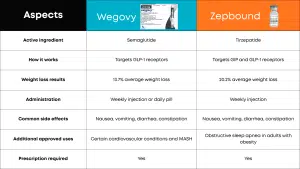
The FDA has approved certain GLP-1 medications, including semaglutide and tirzepatide products, for specific medical conditions. However, it has not approved GLP-1 microdosing as a separate treatment approach.
A smaller dose isn’t automatically better or safer. Your physician can help you compare both approaches and determine which treatment fits your health needs and goals.
What Are the Common Adverse Effects Associated With Low-Dose GLP-1 Therapy?
Even at smaller doses, GLP-1 medications can cause side effects. Many people experience digestive discomfort, especially when they first start treatment or change their dose.
Some possible side effects include:
- Nausea: You may feel queasy as your body adjusts to the medication.
- Vomiting: You may experience occasional vomiting, particularly after eating.
- Diarrhea: You may notice more frequent or loose bowel movements.
- Constipation: Slower digestion may make it harder to have regular bowel movements.
- Stomach discomfort: You may experience bloating, abdominal pain, or an uncomfortable feeling of fullness.
Although lower doses may cause fewer side effects for some people, microdosing doesn’t eliminate the risks. GLP-1 medications can also cause more serious problems, including pancreatitis and gallbladder complications.
Seek medical attention if you experience severe or persistent abdominal pain, repeated vomiting, or signs of dehydration.
At beyondMD, our licensed providers review your health history, monitor your response, and adjust your treatment when medically appropriate.
What Is the Typical Cost Range for GLP-1 Microdosing Programs?
The cost of GLP-1 microdosing depends on the medication, prescribed dose, and healthcare provider you choose.
At beyondMD, our Microdose GLP-1 program starts at $125, with physician-guided treatment options that include compounded semaglutide and tirzepatide.
Before choosing a program, consider what the price covers. Some providers charge separately for consultations, shipping, lab work, or ongoing care.
At beyondMD, consultation and shipping fees are billed separately. Your provider will help determine which treatment option fits your health needs and goals.
Can I Get a Prescription for Microdose GLP-1 Through Telehealth Providers?

Yes. You can explore microdose GLP-1 treatment through a licensed telehealth provider who can evaluate your health and determine whether a prescription is appropriate.
At beyondMD, we make it convenient to explore your options without starting with an in-person clinic visit.
Here’s how our process works:
- Schedule your physician appointment. Submit an online intake form or call our care team to schedule an appointment. If you submit an intake, our team will contact you to confirm or arrange your physician consultation.
- Connect with a licensed provider. Your provider reviews your information and determines whether lower-dose GLP-1 treatment is appropriate.
- Get your personalized treatment plan. If approved, your provider prescribes a suitable medication and dosage.
- Receive your medication. A licensed compounding pharmacy prepares your prescription for home delivery where permitted.
Our care team can also help you understand your treatment options and next steps before you begin.
Making the Right Choice Before Buying
Buying microdose GLP-1 treatment involves more than comparing prices. The medication you choose, your provider’s experience, and the support you receive throughout treatment all matter.
Before making your decision, consider the potential benefits, risks, treatment costs, and prescription requirements. Since microdosing doesn’t follow an FDA-approved dosing regimen, a licensed provider should help you understand whether this approach fits your health goals.
With the right information and medical guidance, you can make a more informed decision about your treatment options.
This article is for educational purposes only and does not constitute medical advice. GLP-1 microdosing is not an FDA-approved treatment regimen, and compounded GLP-1 medications are not FDA-approved. Benefits, risks, and individual responses may vary. Always consult a licensed healthcare provider before starting or changing treatment.