
When comparing liraglutide vs semaglutide, it helps to start with what they have in common: both belong to a class of medications called GLP-1 receptor agonists and can be used for some of the same health goals.
But they’re not the same medication. Differences in how they work in the body, what they’re FDA-approved for, how often they’re taken, and the results seen in clinical studies can all matter when comparing your options.
So, how significant are those differences? We’ll compare liraglutide and semaglutide side by side so you can see where they differ and what those differences could mean for you.

Key Takeaways
- Liraglutide and semaglutide are both GLP-1 receptor agonists, but they are different medications with different dosing schedules and approved uses.
- Semaglutide produced greater average weight loss than liraglutide in a direct head-to-head clinical trial in adults with overweight or obesity.
- Injectable liraglutide is typically taken once daily, while injectable semaglutide is typically taken once weekly.
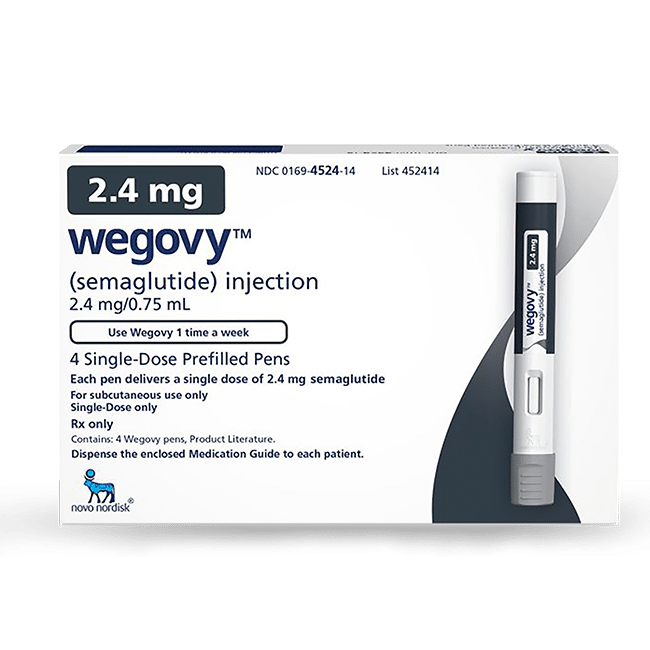
- Liraglutide is found in brands such as Saxenda and Victoza, while semaglutide is used in Wegovy, Ozempic, and Rybelsus.
- The right option depends on factors such as your treatment goal, medical history, response to treatment, and ability to tolerate the medication.
What Are Liraglutide and Semaglutide?
Liraglutide and semaglutide are prescription medications that belong to a class called GLP-1 receptor agonists. They mimic the effects of glucagon-like peptide-1 (GLP-1), a naturally occurring hormone involved in blood sugar regulation, appetite, and digestion.
Both medications are used in treatments related to type 2 diabetes and weight management, depending on the specific product and indication.
Although they belong to the same drug class, liraglutide and semaglutide are different medications, and those differences can influence which one may be a better fit for your treatment needs.
At a Glance Comparison

Liraglutide vs Semaglutide on How They Work
Liraglutide and semaglutide work similarly because both activate GLP-1 receptors and mimic the effects of the natural GLP-1 hormone.
By activating these receptors, both medications can:
- Increase insulin release when blood sugar rises
- Reduce glucagon release, which helps control how much glucose enters the bloodstream
- Slow stomach emptying, helping you feel full longer
- Reduce appetite and food intake by acting on areas of the brain that regulate hunger and fullness
The key difference is how long each medication stays active in your body.
Your body clears liraglutide more quickly, while semaglutide remains active much longer. This difference contributes to their different dosing schedules.
Liraglutide vs Semaglutide on FDA-Approved Uses
Liraglutide
Depending on the product, the FDA has approved liraglutide to:
- Type 2 diabetes: Improve blood sugar control in adults and certain pediatric patients
- Cardiovascular risk reduction: Reduce the risk of major cardiovascular events in certain adults with type 2 diabetes and established cardiovascular disease
- Chronic weight management: Help certain adults and adolescents with obesity, as well as adults with overweight and at least one weight-related condition, manage their weight alongside diet and physical activity
Semaglutide
Depending on the product, the FDA has approved semaglutide to:
- Type 2 diabetes: Improve blood sugar control in adults
- Chronic weight management: Help eligible adults and adolescents manage excess body weight alongside diet and physical activity
- Cardiovascular risk reduction: Reduce the risk of major cardiovascular events in certain eligible adults
- Chronic kidney disease: Reduce certain kidney and cardiovascular risks in adults with type 2 diabetes and chronic kidney disease
- MASH: Treat certain adults with metabolic dysfunction-associated steatohepatitis (MASH) and moderate-to-advanced liver fibrosis
These indications are specific to individual FDA-approved products and formulations.
The FDA’s approval of one liraglutide or semaglutide product does not automatically extend to every product containing that active ingredient.
Liraglutide vs Semaglutide on Brand Names
Liraglutide Brand Names
- Saxenda — used for chronic weight management
- Victoza — used for type 2 diabetes
Semaglutide Brand Names
- Wegovy — used for chronic weight management and certain other approved indications
- Ozempic — used for type 2 diabetes and certain cardiovascular and kidney-related indications
- Rybelsus — an oral semaglutide product used for type 2 diabetes
Even when products contain the same active ingredient, the brand names are not interchangeable. Each product has its own FDA-approved indications, formulation, and dosing instructions.
Liraglutide vs Semaglutide on Weight Loss Results

Both liraglutide and semaglutide can help with weight loss, but head-to-head research shows a meaningful difference in the average amount of weight people lose.
In the STEP 8 clinical trial, researchers compared once-weekly semaglutide 2.4 mg with once-daily liraglutide 3.0 mg in adults with overweight or obesity who did not have diabetes. After 68 weeks:
- Participants taking semaglutide lost an average of 15.8% of their body weight
- Participants taking liraglutide lost an average of 6.4% of their body weight
More participants taking semaglutide also reached weight-loss milestones of 10%, 15%, and 20% or more of their starting body weight.
So, in this direct comparison, semaglutide produced substantially greater average weight loss than liraglutide. Individual results can still vary based on factors such as treatment response, adherence, lifestyle, and tolerability.
Liraglutide vs Semaglutide on Dosage
Liraglutide and semaglutide follow different dosing schedules. Liraglutide injections are taken once daily, while semaglutide injections are generally taken once weekly. Both medications typically start at a lower dose and gradually increase to help your body adjust and reduce gastrointestinal side effects.
For chronic weight management, the standard dosing schedules are:
| Aspect | Liraglutide | Semaglutide |
|---|---|---|
Starting dose | 0.6 mg once daily | 0.25 mg once weekly |
Dose increases | Usually increased weekly | Usually increased every 4 weeks |
Maintenance dose | 3 mg once daily | Depends on the specific product and treatment plan |
Administration | Subcutaneous injection | Subcutaneous injection |
Liraglutide vs Semaglutide on Side Effects
Liraglutide and semaglutide can cause many of the same side effects because both act on GLP-1 receptors. Gastrointestinal symptoms are among the most common, particularly when you first start treatment or increase your dose.
Common side effects can include:
- Nausea
- Vomiting
- Diarrhea
- Constipation
- Abdominal pain or discomfort
Both medications can also cause more serious side effects. Depending on the specific product, warnings and precautions may include pancreatitis, gallbladder problems, kidney injury related to dehydration, and hypoglycemia when used with certain diabetes medications.
Both also carry a boxed warning about the risk of thyroid C-cell tumors based on animal studies. You should discuss your medical history and any side effects with your healthcare provider when considering either medication.
Which Is Right for You?
Choosing between liraglutide vs semaglutide depends on what you want to treat, how you respond to the medication, and which treatment approach fits your needs.
- Semaglutide may stand out if weight loss is your primary goal, since head-to-head research found greater average weight loss with semaglutide than with liraglutide. Its longer duration of action can also make it more convenient for people who prefer less frequent injections.
However, greater average weight loss does not automatically make semaglutide the right choice for everyone. Your medical history, treatment goals, potential side effects, and response to the medication can all influence which option makes more sense for you.
A healthcare provider can evaluate these factors and help determine whether liraglutide or semaglutide is the more appropriate option for your individual treatment plan.
Ready to Explore Semaglutide for Weight Management?
If semaglutide feels like the right direction for your weight loss goals, beyondMD offers both Wegovy and oral semaglutide treatment options.
Complete your evaluation and connect with a licensed provider who can help determine which option may be appropriate for you.


